
The Ultimate Guide to Installing an EV Charger at Home in the UK 2026
Introduction
As electric vehicles (EVs) continue to gain momentum across the UK, many drivers are exploring the benefits of installing an EV charger at home. Imagine the convenience of plugging in your car overnight and waking up to a fully charged battery, ready for the journeys ahead. No more queuing at public charging stations or worrying about availability—your own charger means freedom, flexibility, and peace of mind.
In this guide, we’ll walk you through the essentials of setting up an EV charger at home, from understanding the different types available to navigating installation costs and regulations. Whether you’re a new EV owner or a seasoned enthusiast, this step-by-step resource will help you make confident decisions and transform your home into a smart charging hub.
Understanding EV Chargers: Types and Specifications
Not all chargers are created equal. The main categories include:
- Slow chargers (3kW): Suitable for overnight charging, often using a standard three-pin plug.
- Fast chargers (7–22kW): The most popular choice for homes, typically fully charging an EV in 4–8 hours.
- Rapid chargers (43–50kW): More common in public stations than homes, these provide an 80% charge in around 30 minutes.
Choosing the right charger depends on your vehicle type, driving habits, and home electrical setup.
Benefits of Installing an EV Charger at Home
- Convenience: Charge overnight without leaving your driveway.
- Cost savings: Home charging is generally cheaper than public stations, especially with off-peak tariffs.
- Property value: Homes with EV chargers are increasingly attractive to buyers.
- Sustainability: Support the UK’s shift towards cleaner transport.
Legal Requirements and Regulations in the UK
In the UK, EV charger installations must comply with Part P of the Building Regulations and be carried out by a certified electrician. Grants such as the OZEV EV Chargepoint Grant may reduce installation costs for eligible households.
Choosing the Right Location for Your EV Charger
Placement matters. Ideally, the charger should be close to where you park your vehicle,
 Tools and Materials Needed for Installation
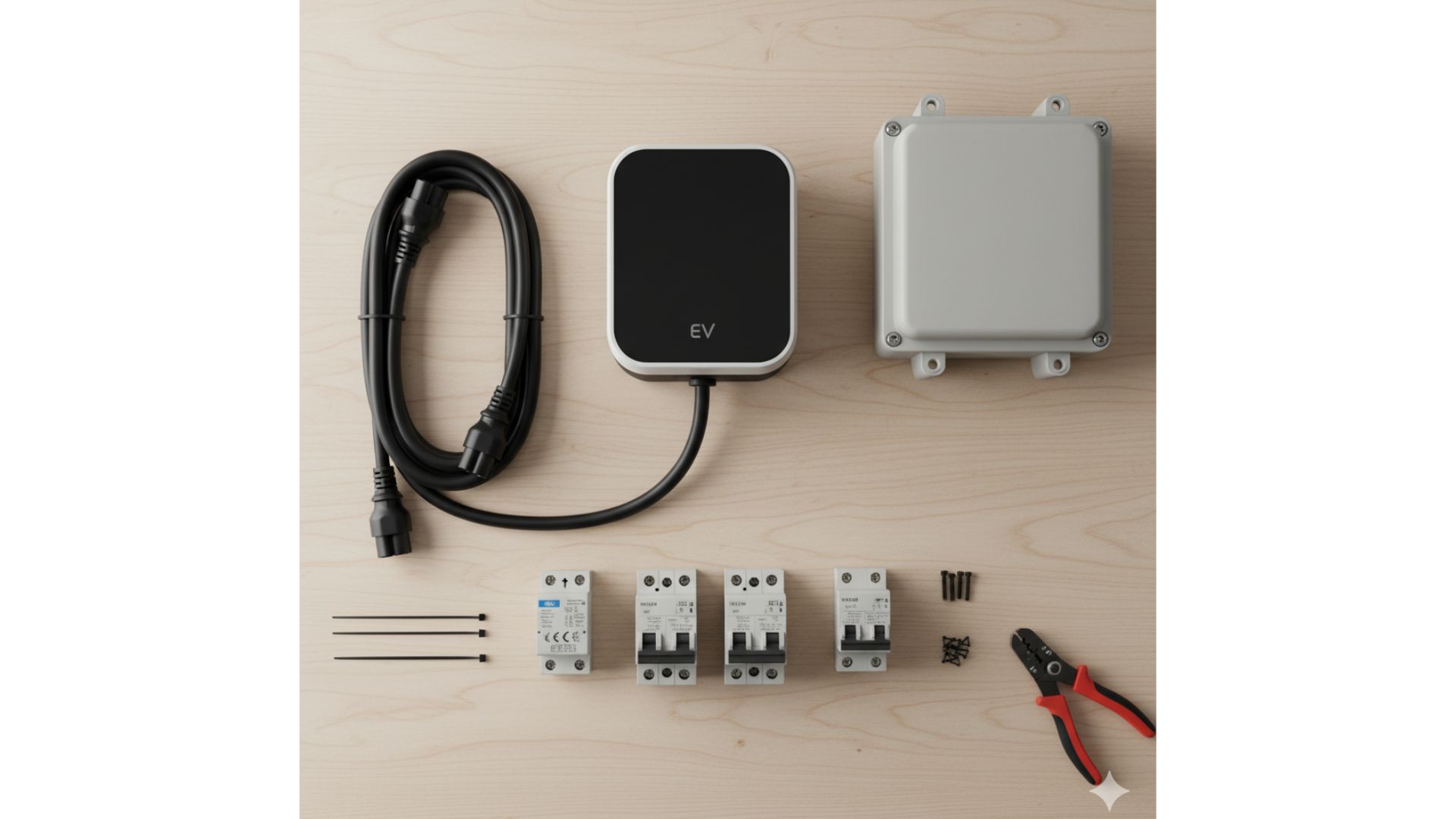
While professionals bring the full toolkit, understanding the basics helps you appreciate the process:
- Charger unit
- Power cables and connectors
- Circuit breakers and safety devices
- Weatherproof housing
Step-by-Step Installation Process
- Assessment: An electrician surveys your home’s electrical capacity.
- Planning: Deciding the best location and cable routing.
- Installation: Mounting the unit, connecting wiring, and integrating safety devices.
- Testing: Ensuring the charger functions safely and efficiently.
- Handover: Guidance on how to use your new charger.
Pro Tip: For expert peace of mind, consider working with a trusted specialist like Leighton Davies, EV Charger Installer Expert, who ensures compliance, safety, and long-term performance.
 Common Challenges and How to Overcome Them
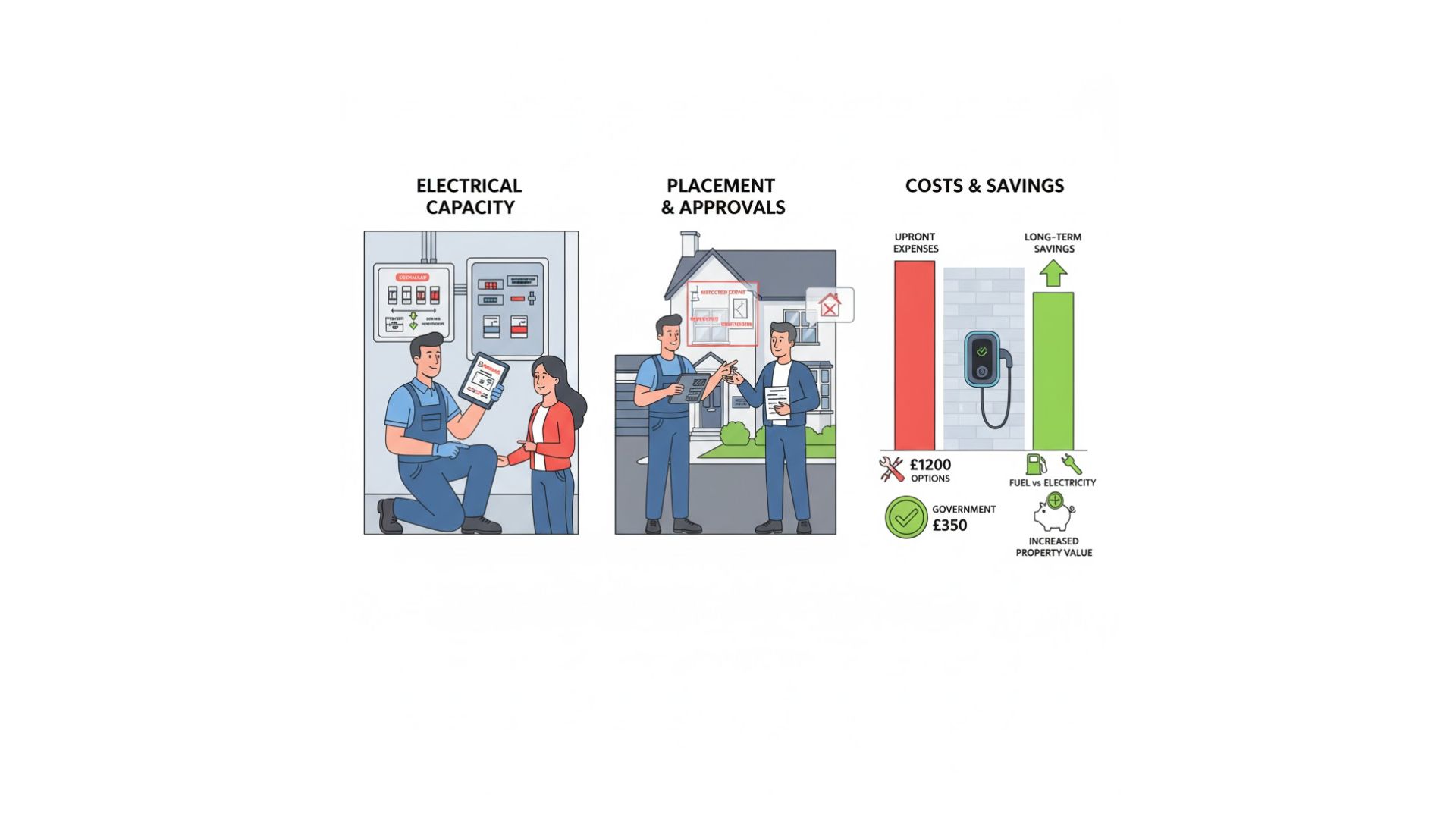
- Limited electrical capacity: May require an upgrade to your home’s supply.
- Placement restrictions: Listed buildings or certain leasehold properties may need permissions.
- Costs: Upfront expenses can be offset by grants and long-term fuel savings.
 Maintenance Tips for Your Home EV Charger
- Regularly check for wear on cables and connections.
- Keep the unit clean and weather-protected.
Schedule professional servicing if you notice unusual behaviour.
Cost Considerations and Potential Savings
Typical installation costs range from £800 to £1,200, depending on the charger type and complexity. Factoring in government grants, off-peak electricity tariffs, and reduced reliance on public charging, many EV owners find that the system pays for itself within a few years.
 Showcasing Your EV Services
If you’re an installer or related service provider, standing out in this fast-growing industry is vital. Platforms like Find a Business Expert’s business listing service give you a place to showcase your expertise, connect with homeowners, and attract the right clients searching for trusted EV solutions.
Conclusion: Embracing the Future of Electric Vehicles
Installing an EV charger at home is more than a convenience—it’s an investment in the future of transport, sustainability, and everyday ease. With the right knowledge and expert support, the process is smooth, cost-effective, and highly rewarding.
By making the switch, you’re not only improving your own driving experience but also contributing to a cleaner, greener UK. Whether you turn to experts like Leighton Davies for installation or list your services to reach new clients, one thing is certain: the EV revolution is here, and now is the time to embrace it.