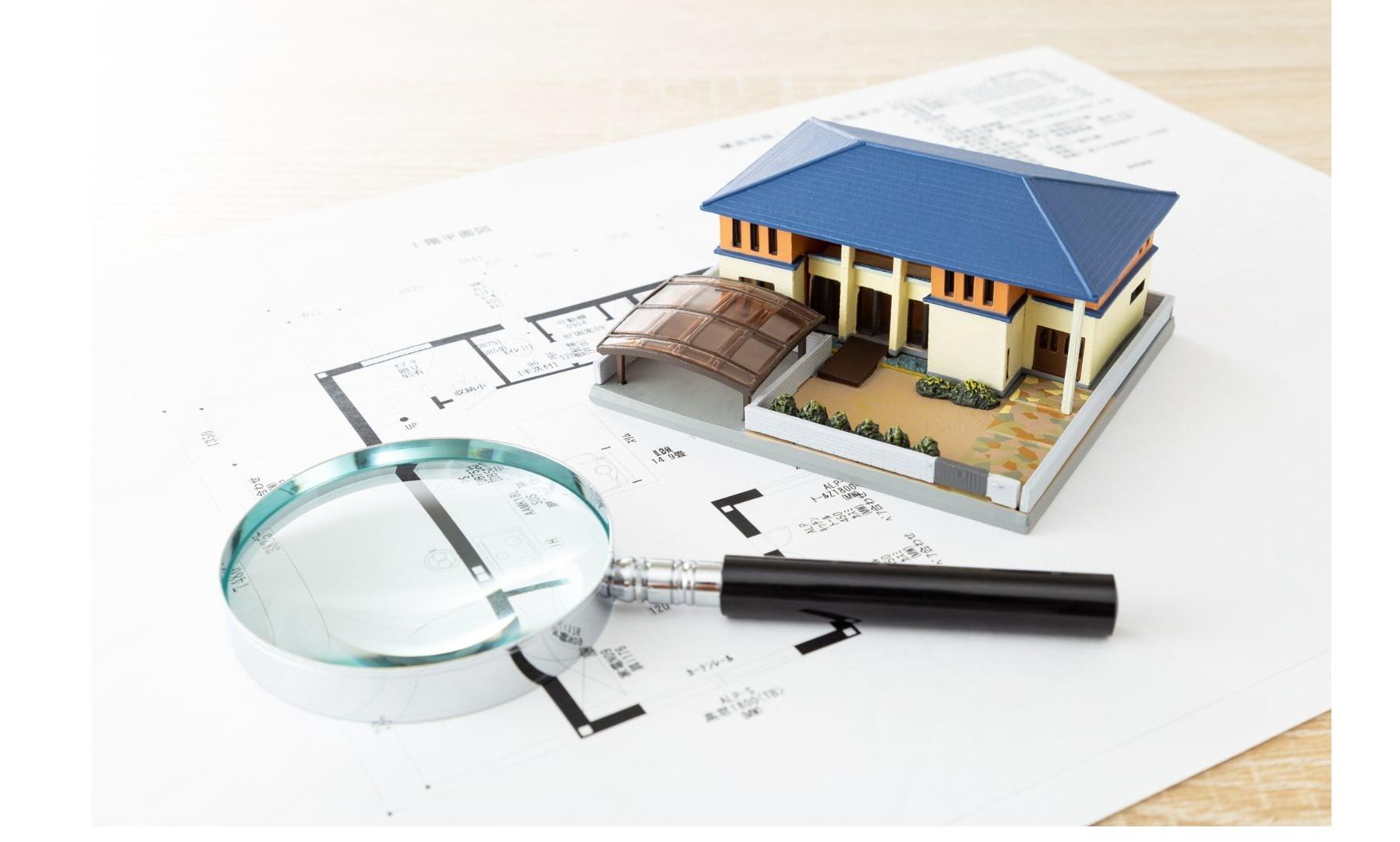
Unlock Your Home’s Potential with Expert Pre-Sale Assessments
 Introduction:
Selling your home is one of the biggest financial decisions you will ever make, and first impressions matter more than ever. Before your property reaches the open market, understanding its true condition and potential value can make the difference between a quick, confident sale and months of uncertainty. A professional pre-sale home assessment provides clarity, insight, and a practical roadmap to maximise your home’s appeal.
Homeowners increasingly turn to experts such as Sally Rule, Pre-Sale Home Assessment Expert to identify opportunities, minimise risk, and present their property in the strongest possible light.
Understanding Pre-Sale Assessments
A pre-sale home assessment is a detailed evaluation of a property conducted before it is listed for sale. Unlike a buyer-commissioned survey, this assessment allows sellers to take control of the process by identifying potential issues early and highlighting features that add value. It provides an honest, professional overview of the home’s condition, helping sellers make informed decisions before marketing begins.
This process is closely related to property valuation and appraisal practices, which focus on assessing a home’s condition, market position, and potential selling price. The principles align with established approaches outlined in real estate appraisal, which emphasises objective evaluation to support sound decision-making.
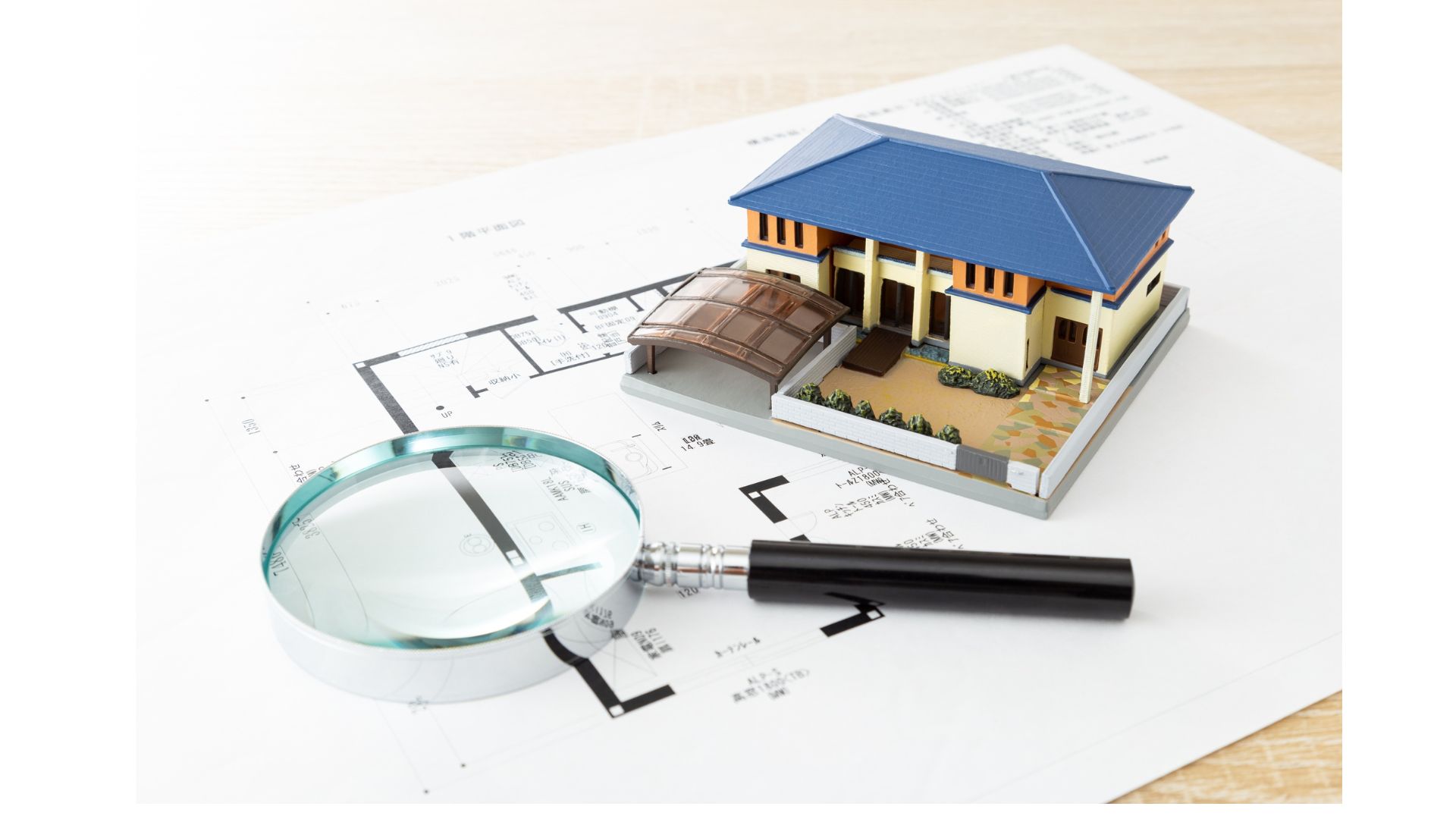
Maximising home value is not about expensive renovations alone. It is about understanding what buyers notice, what surveyors flag, and how small improvements can influence perception and price. A pre-sale assessment highlights where modest investment can deliver strong returns and where unnecessary spending can be avoided.
By addressing concerns in advance, sellers reduce the likelihood of price negotiations, failed sales, or delays caused by negative survey results.
Key Factors Influencing Home Value
Several factors influence a home’s market value, including structural condition, energy efficiency, layout, location, and overall presentation. Even well-maintained properties can suffer in value if minor issues create doubt in a buyer’s mind. Pre-sale assessments focus on these details, helping homeowners understand how their property compares within the local market.
Common Areas to Assess Before Selling
Certain areas consistently draw attention during buyer viewings and surveys. Kitchens, bathrooms, roofing, electrics, and heating systems are often scrutinised closely. External features such as roofing, drainage, and kerb appeal also play a crucial role in shaping buyer confidence. A pre-sale assessment ensures these areas are reviewed objectively before they become obstacles during negotiations.
The Role of Professional Appraisers and Assessors
Professional assessors bring experience, impartiality, and market awareness to the process. They know what buyers, surveyors, and lenders are looking for and can identify issues that homeowners may overlook. Working with a specialist ensures the assessment is thorough, credible, and aligned with real market expectations.
Experts like Sally Rule help sellers prioritise actions that genuinely enhance value rather than relying on guesswork.
 DIY Home Assessment Techniques
While professional insight is invaluable, homeowners can also take simple steps to prepare. Walking through the property with a buyer’s mindset, noting signs of wear, and addressing obvious cosmetic issues can make a meaningful difference. However, DIY assessments work best when complemented by expert guidance, ensuring no critical issues are missed.
Renovations That Add Value
Not all renovations offer the same return on investment. Pre-sale assessments help identify upgrades that add measurable value, such as improving energy efficiency, modernising key rooms, or enhancing natural light. The goal is not perfection, but reassurance, ensuring buyers feel confident about the property’s condition and future costs.
Staging Your Home for Maximum Appeal
Presentation plays a powerful role in buyer perception. Decluttering, neutral styling, and thoughtful staging can make rooms feel larger, brighter, and more inviting. Pre-sale assessments often include guidance on presentation, helping sellers showcase their home’s strengths and create emotional connection during viewings.
How to Interpret Assessment Results
Assessment reports provide clarity, not criticism. They outline what needs attention, what adds value, and what can be left as is. Understanding these results allows sellers to act strategically, focusing on improvements that support pricing and buyer confidence rather than unnecessary work.

A pre-sale home assessment empowers homeowners to sell with confidence, transparency, and control. By identifying opportunities early and addressing potential concerns, sellers position their property for a smoother, faster, and more profitable sale.
For those looking to maximise results, working with a trusted professional through platforms like Find a Business Expert ensures access to specialists who understand both property and market dynamics. With expert insight and preparation, unlocking your home’s full potential becomes a practical, achievable reality.